Isopods, often overlooked in the grand tapestry of nature, are among the most fascinating creatures on Earth. From their unique body structures to their ecological roles, these small yet extraordinary animals captivate scientists, hobbyists, and nature enthusiasts alike. Let’s dive into the mesmerizing world of isopods and uncover the hidden beauty they bring to our planet. Isopods are fascinating little creatures that remind us how diverse nature can be; reading more about them at https://www.viralnovelty.net/super-adorable-pets-animal-buddies-heart-just-melted/ will truly warm your heart.
Tiny Marvels of Nature
Despite their small size, isopods are a testament to nature’s ingenuity. These crustaceans, which include species like pill bugs, woodlice, and marine isopods, exhibit incredible adaptability. Their exoskeletons provide protection, while their segmented bodies allow for remarkable flexibility and movement.
Key Features of Isopods:
- Diverse Forms: Isopods vary widely, from terrestrial species to deep-sea giants.
- Durable Exoskeleton: Protects them from predators while giving them a sleek, armored appearance.
- Flexible Movement: Segmented bodies allow for curling, rolling, and crawling in confined spaces.
A Rainbow of Colors and Patterns
One of the most enchanting aspects of isopods is their stunning appearance. While many are subtle shades of brown or gray, some species display vibrant hues and intricate patterns, making them miniature works of art. Collectors and enthusiasts often marvel at these creatures for their striking designs and natural symmetry.
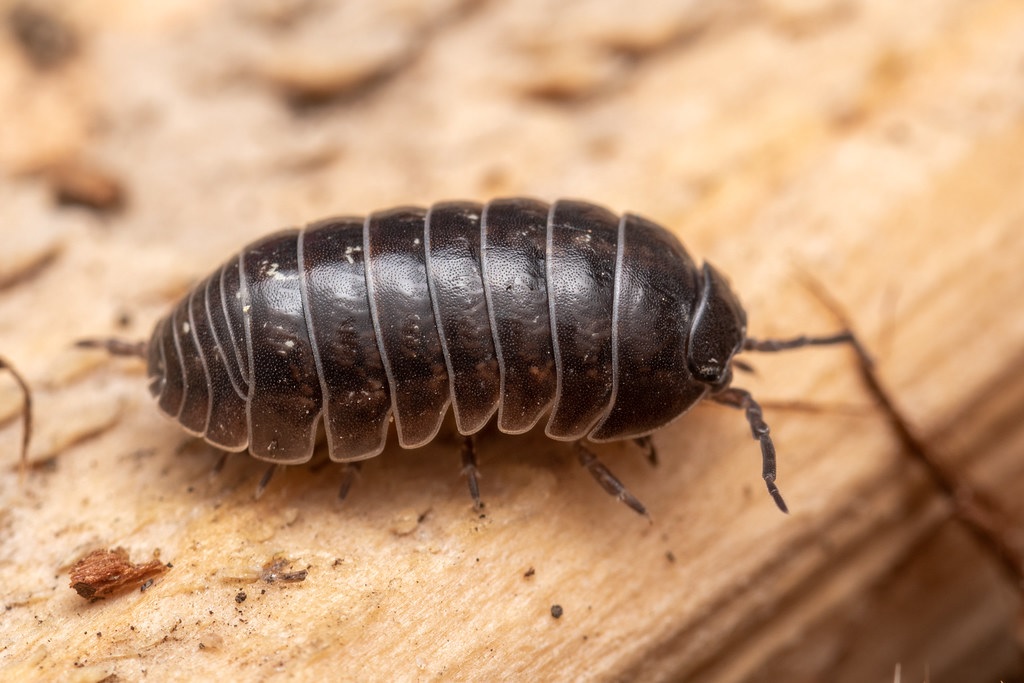
Visual Wonders:
- Shimmering Iridescence: Some isopods reflect light in dazzling ways, creating a natural shimmer.
- Striking Patterns: From polka dots to intricate stripes, their designs are unique to each species.
- Miniature Natural Art: Their beauty challenges the perception that small creatures are insignificant.
Nature’s Unsung Helpers
Beyond their aesthetic appeal, isopods play an essential role in the ecosystem. These decomposers recycle nutrients by feeding on decaying plant matter, contributing to soil health and sustaining other life forms. Their presence ensures a balanced, thriving environment.
Environmental Contributions:
- Soil Enrichment: Break down organic matter into nutrient-rich components.
- Ecosystem Balance: Provide food for birds, amphibians, and small mammals.
- Waste Management: Naturally clean habitats by consuming decaying material.
The Joy of Observing Isopods
For hobbyists and nature lovers, observing isopods can be a delightful and calming experience. Watching them interact, curl up into protective balls, or explore their environments offers a unique window into the wonders of microfauna. Many enthusiasts even keep isopods in vivariums to appreciate their behaviors and colors up close.
Why People Love Isopods:
- Fascinating Behavior: Rolling, crawling, and social interactions are captivating.
- Low Maintenance: Ideal for hobbyists seeking a small yet engaging pet.
- Educational Value: Offers insight into ecological roles and biological diversity.
Conclusion
Isopods may be tiny, but their beauty, adaptability, and ecological significance make them giants in the world of nature’s wonders. By appreciating these remarkable creatures, we celebrate the intricate and vibrant diversity that thrives all around us. Dive into the world of isopods and discover the hidden beauty waiting just beneath your feet.