A septic tank is an essential part of a home’s wastewater system, designed to manage and treat household waste effectively. One of the key reasons septic systems function smoothly is the natural bacteria inside the tank. These bacteria work quietly but efficiently, breaking down waste and keeping the system balanced. By doing their job, they prevent clogs, backups, and costly repairs. Understanding the role of bacteria in septic tanks shows how important they are for system health and overall savings.
The Role of Bacteria in Septic Tanks
Bacteria in septic tanks naturally break down organic matter and waste materials. Without them, waste would build up, leading to system failure. These microorganisms handle different types of waste, ensuring that the liquid waste can flow out into the drain field safely.
- Organic waste breakdown – Bacteria digest food particles, soap residue, and human waste.
- Sludge reduction – They reduce the volume of solid material, slowing down tank filling.
- System balance – By breaking down waste consistently, bacteria prevent harmful buildup.
This natural process maintains a clean environment inside the tank, allowing the system to function without interruptions.
How Bacteria Maintain System Balance
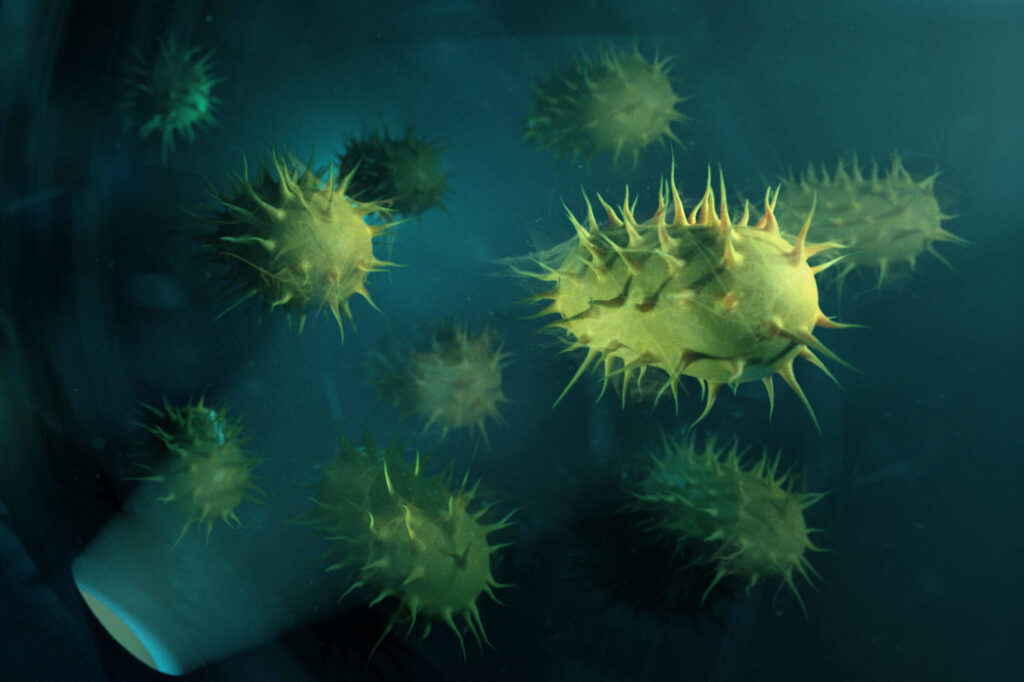
Bakterie do septiku ensure that waste materials are decomposed into simpler substances. This balance keeps septic systems from overloading and supports the continuous flow of wastewater. A healthy balance also improves the absorption process in the drain field.
- Keeps waste decomposition steady
- Minimizes harmful buildup
- Protects the drain field from clogging
By working naturally, bacteria eliminate the need for frequent pumping or emergency maintenance.
Preventing Expensive Repairs
When bacteria are active, septic tanks require fewer interventions. Homeowners can avoid expensive repairs, replacements, or environmental damage. The breakdown process ensures the system runs efficiently for years.
- Fewer blockages – Waste is consistently reduced, lowering the chance of clogs.
- Longer system life – Proper bacterial activity keeps the tank from wearing out quickly.
- Cost savings – Preventing repairs saves money that would otherwise go into fixing damage.
Healthy bacteria act as a natural shield, protecting homeowners from unnecessary expenses.
Supporting Bacterial Activity
To keep bacteria effective, homeowners can support their natural activity through simple practices:
- Avoid harsh chemicals – Strong cleaners and antibacterial products may disturb bacterial growth.
- Use water wisely – Reducing excess water helps bacteria work efficiently.
- Routine pumping – While bacteria manage most waste, occasional pumping ensures long-term health.
Bacteria in septic tanks are the invisible workers that keep the system healthy and cost-efficient. They break down waste, maintain balance, and prevent damage that leads to expensive repairs. By understanding their importance and supporting their activity with mindful practices, homeowners can enjoy a smooth-running septic system for years. Healthy bacteria not only protect the system but also safeguard the investment in a home’s wastewater management.